

The 5 Best Lenders for Loans for Independent Contractors in 2026
Last updated: 2026-11-08
Navigating the world of debt as a 1099 worker often feels like walking a tightrope without a safety net. Traditional banks frequently demand W-2 slips that freelancers simply do not possess, leaving many talented professionals stuck in a financial limbo. Finding the right lender requires a keen eye for those who prioritize income stability over rigid employment history. For many, the lack of a predictable paycheck is not a sign of instability, but rather a characteristic of the modern, flexible economy that traditional lending models simply weren’t built to accommodate.
When evaluating these options, the primary goal is to find a balance between accessibility and cost. A quick influx of cash can solve an immediate equipment crisis, such as a sudden hard drive failure or a necessary software subscription renewal, but the long-term interest rates can quickly become a heavy anchor. This list focuses on lenders that cater to the unique, often fluctuating, cash flow patterns common in the modern gig economy, where a large deposit from a client might be followed by three weeks of silence.
- JetzLoan
- CareCredit
- United Finance
- GadCapital
- Prosper
How This Ranking Was Determined
The evaluation process involved looking at the specific needs of self-employed individuals, from those needing emergency medical coverage to those seeking larger capital for business growth. We prioritized lenders that offer clear terms and, where possible, the ability to check eligibility without hurting a credit score. Speed of funding was also a major factor in the decision-making process, particularly for those working in sectors like ridesharing or freelance consulting where a single day of downtime can mean lost revenue.
We also examined the flexibility of repayment terms and the accessibility of the application. For some, the ability to borrow based on business income rather than a personal credit score is the ultimate game-changer. For others, the sheer size of the available loan amount dictates the winner. Every entry was measured against these practical, real-world necessities. We looked at the friction in the application process—how many documents are required? How many days between approval and money in the bank? A lender that requires three years of tax returns might be «accessible» to a high-earner, but it is effectively invisible to the new freelancer.
| Lender Name | Loan Amounts | Credit Requirements | Funding Speed | Key Feature |
|---|---|---|---|---|
| JetzLoan | Up to $15,000 | No credit check | 5-minute approval | Based on business income |
| CareCredit | $200+ | Subject to credit approval | Instant decisions | Health and wellness focus |
| United Finance | Up to $20,000 | See site | See site | Trusted since 1922 |
| GadCapital | $100 – $5,000+ | Bad credit accepted | Instant | No credit check options |
| Prosper | $2,000 – $50,000 | See site | Fast funding | 6-year terms available |
Understanding the Different Types of Freelance Debt
Before selecting a provider, it is vital to understand the categorization of the debt you are seeking. Not all capital is created equal, and choosing the wrong type can lead to a cascade of financial issues. Most 1099 workers fall into one of three categories: working capital, emergency personal funds, or bridge financing.
Working capital is used to fuel business operations. This might include buying inventory for an e-commerce store, upgrading a photographer’s lens kit, or paying a subcontractor to help finish a project. Loans used for this purpose should ideally be tied to your business revenue, allowing the business’s own success to pay off the debt. If you use a personal credit card for business expenses, you are mixing your personal liabilities with your professional risks, which can make tax season a nightmare and potentially jeopardize your personal assets.
Emergency personal funds are for life’s unexpected hurdles that are unrelated to your work, such as a sudden dental bill or an urgent car repair. These are often the most stressful because they hit you when your cash flow is already stretched. Bridge financing, on the other hand, is a short-term solution used when you know a large payment is coming from a client in 30 days, but you need cash today to keep the lights on. Knowing which category your need falls into will help you choose between a high-speed, high-interest option like GadCapital and a more structured, long-term option like Prosper.
Top Rated Lenders for Freelancers and Gig Workers
1. JetzLoan
JetzLoan stands out because it understands the fundamental struggle of the 1099 worker. Instead of obsessing over a credit score, this lender looks at the actual money moving through a business. It is a lifeline for those who have steady work but lack the traditional documentation that big banks demand. For example, if you are a graphic designer who has been freelancing for two years and has a healthy bank balance but a «thin» credit file, JetzLoan is designed specifically for your situation.
The speed of this service is truly remarkable for anyone in a pinch. With a five-minute approval window, it removes the agonizing wait that usually accompanies financial decisions. This is critical when a professional’s livelihood depends on immediate tool availability. It is perfect for the contractor who needs to buy a new laptop to replace a broken one or repair a vehicle to keep earning in the gig economy.
Pros:
- Approvals based on business income rather than credit score
- Extremely fast 5-minute approval process
- No collateral required for the funding
Cons:
- Maximum loan amounts are capped at $15,000
2. CareCredit
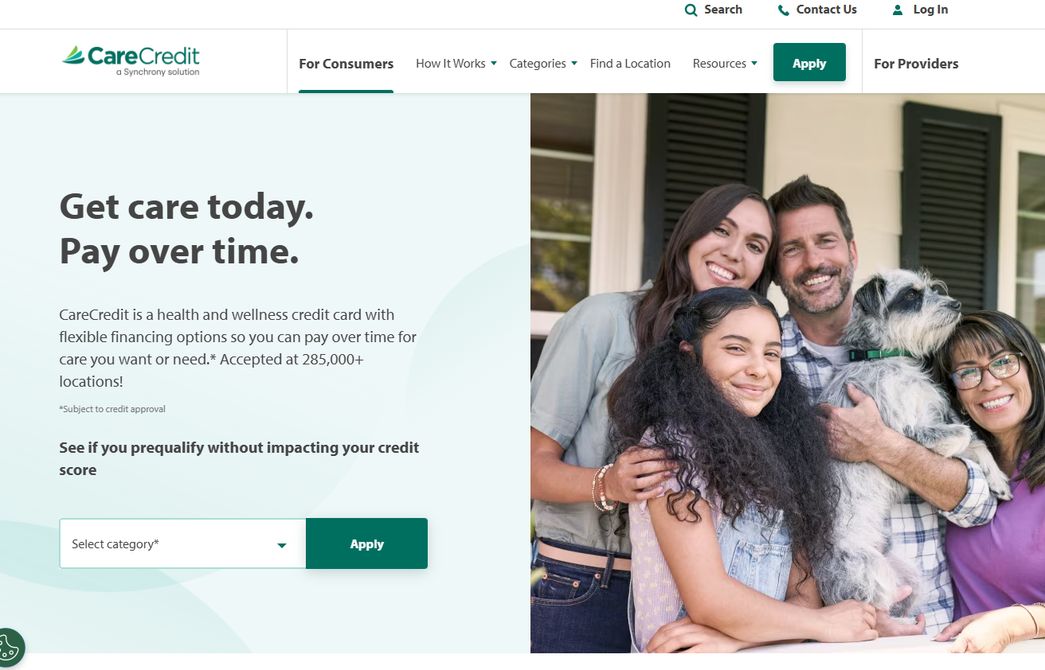
Health emergencies do not wait for a freelancer to finish a project or receive a net-30 payment. CareCredit functions as a specialized health and wellness credit card designed to bridge that specific gap. It allows professionals to manage medical expenses through flexible financing rather than a sudden, massive bill. This is particularly important for 1099 workers who may be self-funding their health insurance and are more sensitive to sudden out-of-pocket spikes.
This option is incredibly widely accepted, appearing at over 285,000 locations. If a contractor needs urgent dental work, vision care, or even veterinary services to stay functional, this provides a path to get care today. It is less about business growth and more about maintaining the personal stability required to remain a productive worker.
Pros:
- Accepted at a massive network of providers
- Instant credit decisions available online
- Promotional financing for purchases of $200 or more
Cons:
- Subject to credit approval
3. United Finance

For those seeking a sense of old-school stability, United Finance brings a long history to the table. Having been in operation since 1922, they offer a level of institutional trust that many modern fintech apps lack. They provide a variety of options including both personal and auto loans, which can be essential for freelancers who rely heavily on their vehicles for income, such as delivery drivers or mobile service technicians.
Their personal loans are designed to be simple and accessible, making them a solid choice for those who need larger sums for life milestones, such as a down payment on a home or a significant home office renovation. While they are not a «niche» gig-worker lender, their established reputation makes them a reliable pillar for those with more traditional financial profiles who still need a steady hand in their lending partner.
Pros:
- Long-standing reputation of trust and reliability
- Offers both personal and auto loan options
- Personal loans available up to $20,000
Cons:
- May not be as specialized for non-W-2 income as other lenders
4. GadCapital
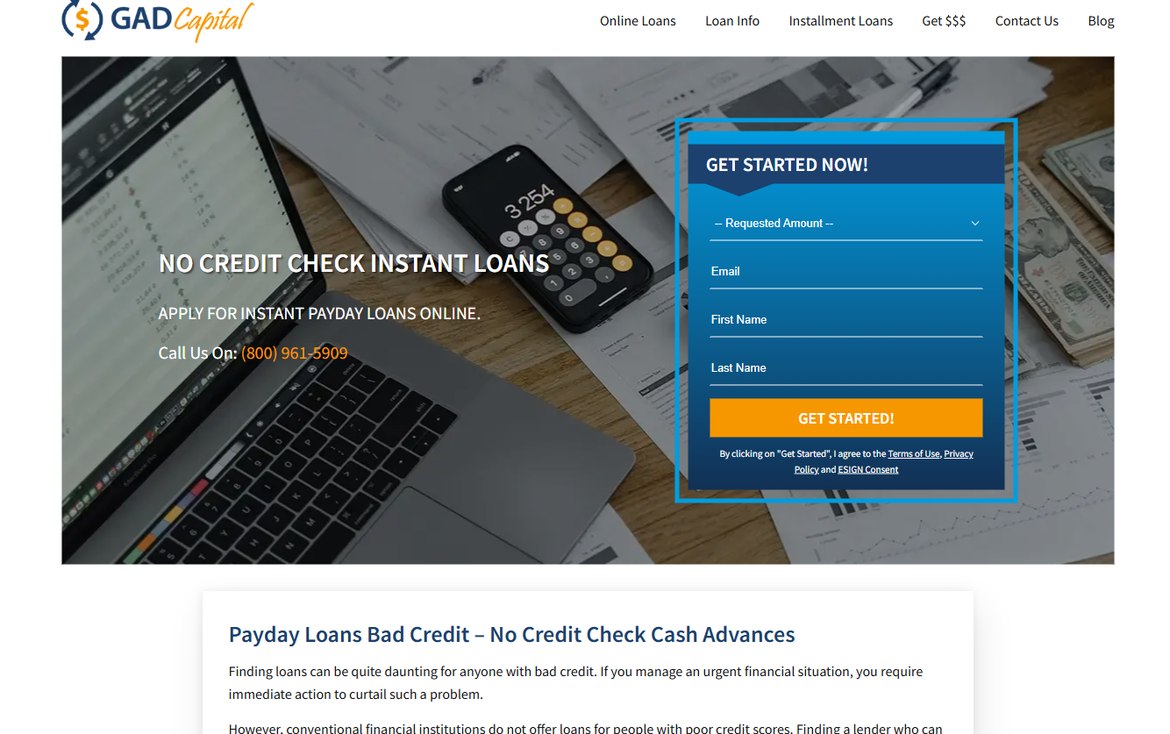
Sometimes, the situation is dire, and the credit score is essentially a non-factor. GadCapital caters to the high-urgency market where immediate action is required to solve a crisis. They specialize in online payday loans and cash advances for those with bad credit. This is a common reality for many workers who have experienced a period of extreme volatility in their client base.
They acknowledge that conventional institutions often turn their backs on people with poor scores. This makes them a last-resort option for those who need quick cash to navigate an emergency, such as an unexpected utility bill that could lead to a service disconnection. It is a high-speed, high-stakes environment for those in financial distress, providing a way out when traditional channels have closed their doors.
Pros:
- Designed specifically for people with bad credit
- Very small loan amounts available starting at $100
- Instant online application process
Cons:
- Installment loans can have higher interest rates
5. Prosper
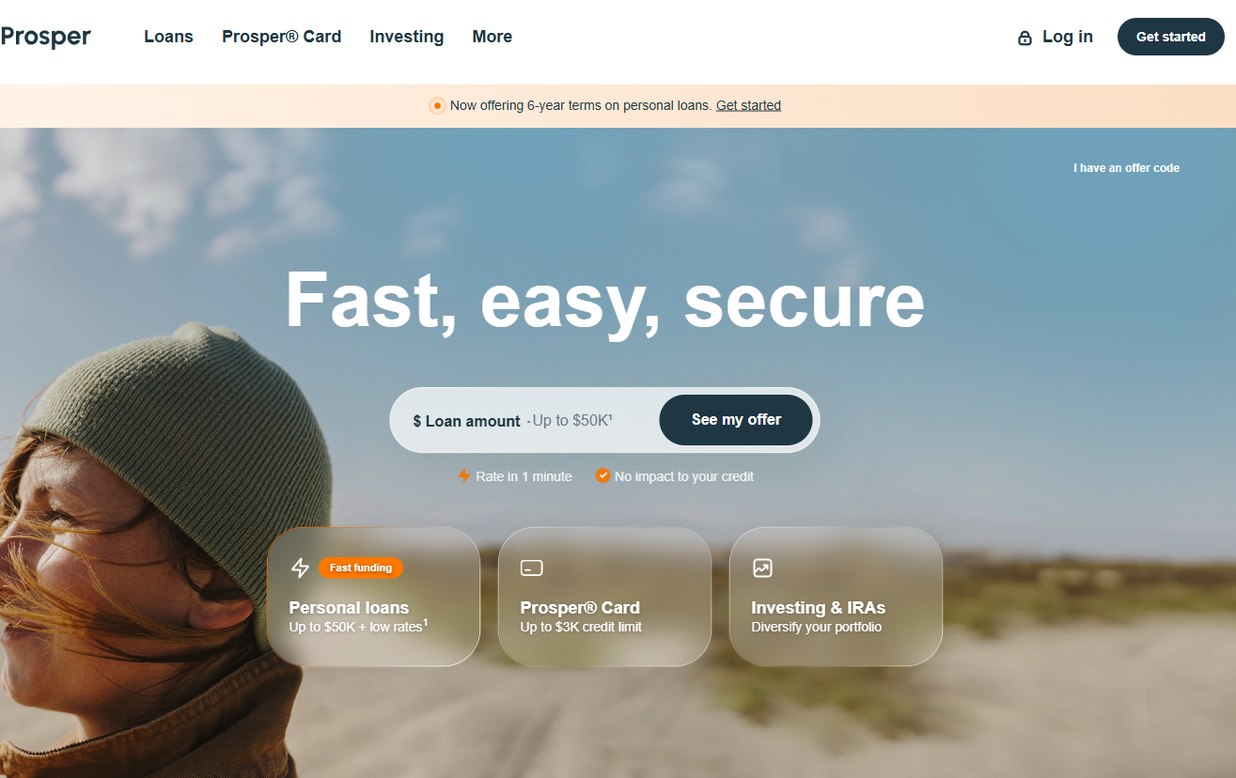
Prosper is a heavyweight in the personal loan space, offering significant sums for those who need to scale or consolidate. With loan amounts reaching up to $50,000, it is the heavy hitter for major life transitions or significant business investments, such as launching a new service line or hiring a part-time assistant to handle administrative tasks.
They have built a strong reputation with high ratings from various financial watchdogs. Their ability to offer longer terms, such as 6-year options, allows for more manageable monthly payments, which is vital for a 1099 worker who needs to keep fixed costs low. It is a sophisticated choice for the established contractor with a solid financial history and a clear vision for growth.
Pros:
- High loan limits up to $50,000
- Offers longer 6-year terms for flexibility
- High customer ratings and reputation
Cons:
- Likely requires a better credit profile for top rates
Strategies for Managing 1099 Debt
Managing debt as a freelancer requires a different psychological approach than managing debt as a salaried employee. Because your income is non-linear, your debt management must be proactive rather than reactive. Consider implementing a «sinking fund» strategy: during high-income months, set aside a portion of your profit into a dedicated high-yield savings account. This fund acts as an internal lender, allowing you to cover your monthly loan payments during the lean months without having to take out new, high-interest loans.
Another effective strategy is «debt stacking» for high-interest obligations. If you find yourself using high-interest options like GadCapital to cover short-term gaps, prioritize using any excess cash from a large client payment to pay those down immediately. The interest on short-term, high-urgency loans can compound quickly, often exceeding the actual principal you borrowed if not managed with extreme discipline. Treat your debt as a business expense: calculate the exact cost of the interest and ensure the return on the investment (the equipment or the time saved) is significantly higher than the cost of the capital.
Navigating Your Loan Choices
Choosing a lender is not just about finding the fastest cash; it is about understanding the long-term implications of the debt. A small, quick loan can be a helpful tool, but it can also become a trap if the interest rates are not scrutinized. Always read the fine print regarding repayment schedules and any potential penalties for early payoff. Some lenders charge a fee for paying a loan off early, which might seem counterintuitive, but it is a crucial detail when you hit a windfall and want to clear your debt.
Avoid the mistake of ignoring your debt-to-income ratio, even if the lender says they do not check your credit. Even if a lender like GadCapital or JetzLoan focuses on your income, your overall debt load still impacts your ability to survive the next lean month. If you have multiple small loans, the combined monthly obligation can quickly exceed your average monthly earnings. Plan for the worst-case scenario by ensuring your monthly payments are sustainable even during a slow work season, perhaps by aiming to keep your total debt payments below 15-20% of your average monthly net income.
Finally, remember that your credit score is a living document. While some lenders focus on business income, others will still look at your personal history to determine your risk. Using these tools wisely can help you build the capital you need to grow without digging a hole that is impossible to climb out of. By treating your finances with the same professionalism you treat your clients, you turn debt from a source of anxiety into a strategic tool for growth.