

The 6 Best Lenders for RV Loans for Bad Credit in 2026
Last updated: 2026-11-08
Trying to fund a nomadic life when your credit score is in the gutter feels like chasing a mirage in the desert. Many travelers assume a bruised credit history means they are stuck in their driveway, watching others hit the open road. However, the lending market in 2026 offers several paths forward for those needing specialized assistance.
Whether you want to finance a diesel pusher, a vintage camper van, or a teardrop trailer, your success depends on how you leverage your current standing. Choosing the right lender requires looking beyond just the interest rate. You must weigh the speed of approval against the total cost of borrowing over the long haul.
Some lenders might get you on the road by tomorrow, while others might demand a mountain of paperwork and weeks of waiting. Success depends on matching your specific credit profile with the right institution. A borrower with a 580 FICO score should not be applying for the same products as a borrower with a 720 score. Attempting to do so will only lead to repeated hard inquiries that further damage your profile.
- Biz2Credit
- Alliant Credit Union
- JetzLoan
- First Citizens Bank
- United
- Action Credit
How These Lending Options Were Evaluated
The comparison process focused on accessibility for borrowers who do not meet traditional «prime» credit standards. It is vital to distinguish between lenders that focus on consumer recreational vehicle loans and those that provide business-oriented financing. A small business owner looking to start an RV rental company has very different needs than a family seeking a weekend camper.
A business loan focuses on cash flow projections and revenue, whereas a personal RV loan focuses on your debt-to-income ratio and personal asset stability. Each entry was vetted based on available data regarding loan amounts, speed of decision-making, and minimum credit requirements. We looked at several specific metrics, such as the ability to provide «no-doc» options where income verification is streamlined.
We also tracked the availability of subprime products and the geographic limitations of the lender. While some lenders focus on high-speed approvals for smaller amounts, others provide larger, long-term financing. The goal is to provide a clear snapshot of who provides what, without any sugar-coating of the potential drawbacks.
| Lender Name | Loan Amounts | Approval Speed | Credit Requirements | Best For |
|---|---|---|---|---|
| Biz2Credit | $25,000 – $2,000,000+ | Decision in 24 hours | 650 FICO / $100k Revenue | Business Owners |
| Alliant Credit Union | see site | see site | see site | Credit Union Members |
| JetzLoan | see site | see site | see site | see site |
| First Citizens Bank | see site | see site | 670 Minimum | Established Borrowers |
| United | see site | see site | see site | see site |
| Action Credit | Up to $1,840 | Less than 1 hour | see site | Emergency/Small Cash |
Top Rated Lenders for RV Financing
1. Biz2Credit
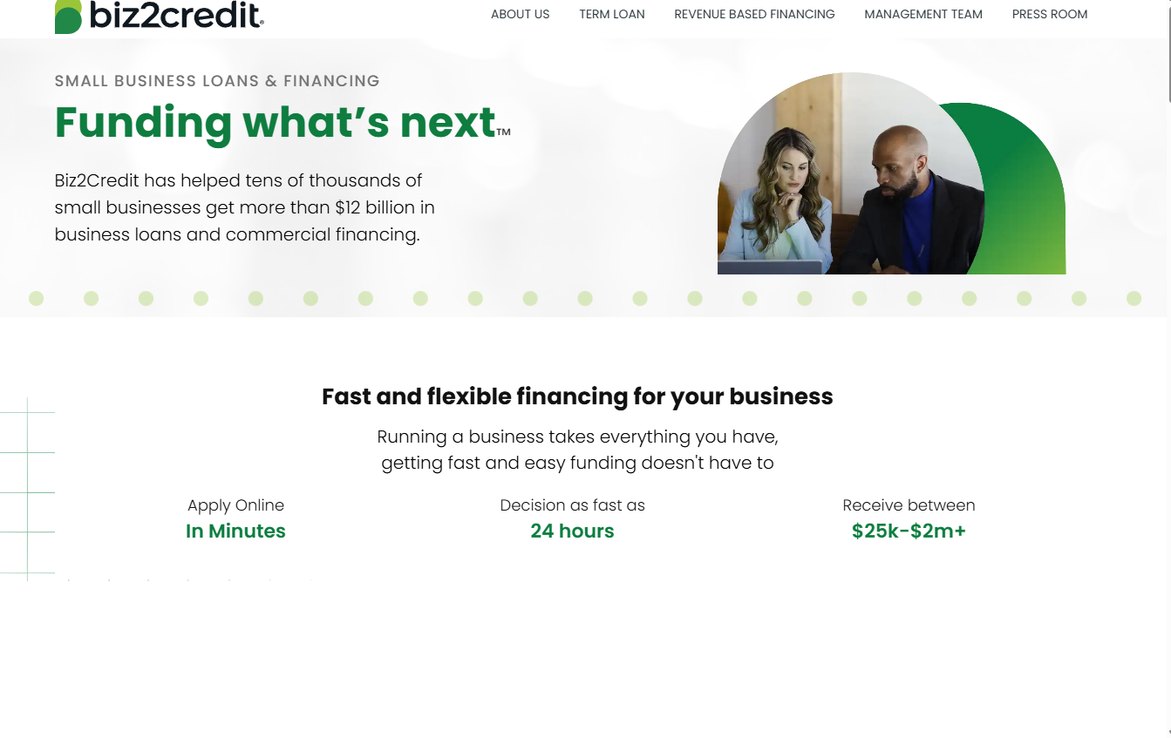
This lender is a powerhouse for those looking to turn a passion for travel into a professional venture. If your goal is to launch an RV rental business, this option provides significant capital to get the wheels turning. They specialize in helping small businesses navigate the complexities of commercial financing, which often requires a different set of collateral and documentation than personal loans.
For example, you may need to provide three years of tax returns or detailed profit and loss statements to secure a six-figure equipment loan. The speed of their process is quite impressive for such large sums of money. You can receive a decision in as little as 24 hours, which is a lifesaver when a perfect deal on a fleet of campers suddenly appears on the market.
Because they focus on business viability, they are often more interested in your revenue streams than a single credit score dip from a past medical bill or a period of unemployment. It is a heavy-duty option for entrepreneurs.
Pros:
- High funding ceiling up to $2,000,000+
- Rapid decision-making within 24 hours
- Tailored for business and commercial needs
Cons:
- Requires a minimum 650 FICO score
- Requires $100,000 in annual revenue
2. Alliant Credit Union
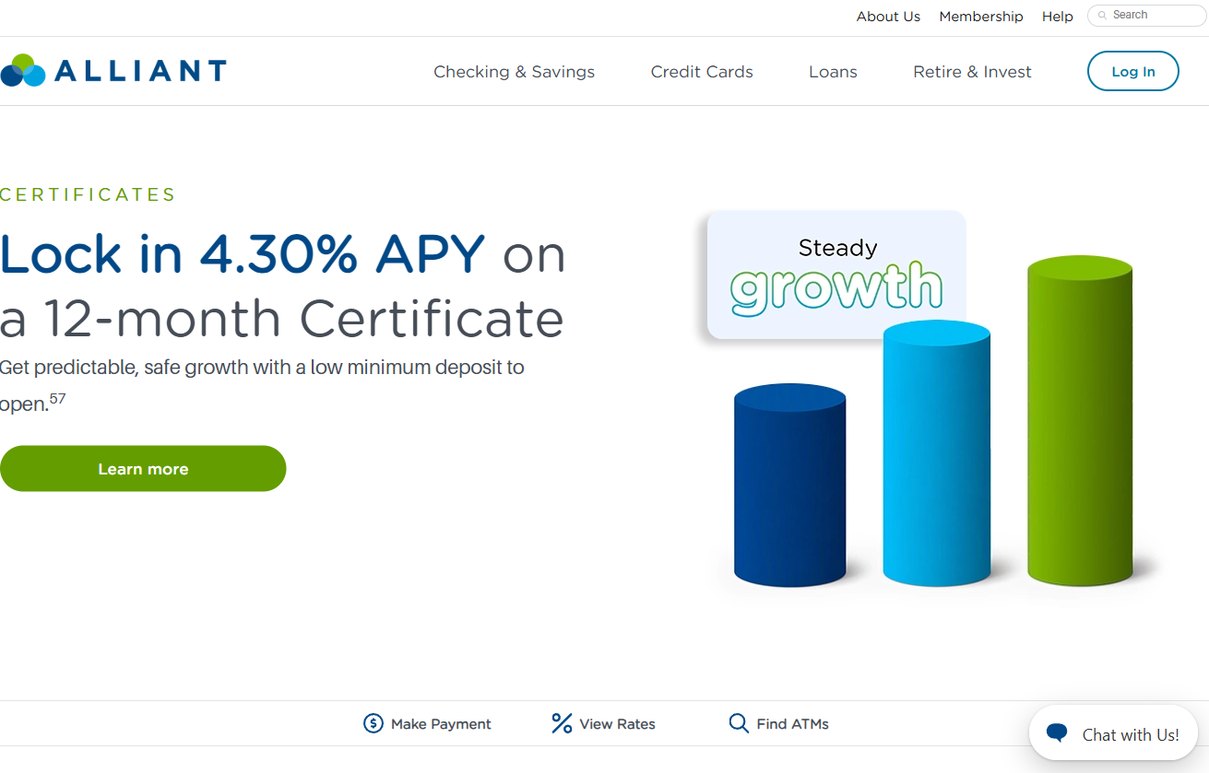
Alliant Credit Union operates differently than a standard big-box bank, offering a more community-focused experience. They provide a variety of services, from high-interest savings accounts to complex mortgage products. For those who value a relationship-based banking model, this is a strong contender. Credit unions are member-owned, meaning their primary goal is serving their members rather than maximizing shareholder profits.
This structure often translates to slightly more competitive rates on interest-bearing products. While they offer many products, their strength lies in their comprehensive suite of personal and financial tools. They are built for those who want their money to work harder, offering high-yield options that can help a borrower build stability before taking on major debt.
For a nomad, having a reliable banking institution that offers digital management is essential. They are a marathon runner’s bank.
Pros:
- High-yield savings and checking options
- Member-focused service model
- Wide range of financial products
Cons:
- Membership requirements apply
- May have stricter standards than specialized lenders
3. JetzLoan
JetzLoan serves as a specialized option in the lending marketplace. When standard banks turn you away due to a rocky credit history, specialized lenders like this one step into the gap. They focus on providing the liquidity necessary to move forward with life’s adventures. This type of lending is often characterized by «alternative underwriting.»
In this scenario, the lender looks at more than just your FICO score. They might look at your consistent utility payments or rental history to determine your reliability. They are designed for the borrower who needs to bypass the traditional hurdles of a massive national bank. If you are looking for a more streamlined experience, JetzLoan provides a focused alternative for those in the niche market of recreational vehicle financing.
This niche approach means they understand the specific value and depreciation schedules of RVs better than a general-purpose lender might.
Pros:
- Niche-focused lending approach
- Alternative to traditional banking
Cons:
- Limited public data on specific terms
- May carry higher interest rates
4. First Citizens Bank

For those who have done the hard work to build a decent credit profile, First Citizens Bank offers a structured and professional path. They are not a lender for those with «horrible» credit, but they are a reliable partner for those in the «good» category. They provide stability and clarity, which is vital when you are making a multi-year financial commitment. Their loan officers are trained to guide you through the specific documentation required for large vehicle purchases.
The bank requires a minimum credit score of 670 for their RV loans. This makes them a great choice for someone who has a few small errors to fix but is otherwise on the right track. For instance, if you have a high credit utilization on a single credit card but otherwise have a history of on-time payments, you might be able to reach this threshold with a bit of strategic payment restructuring.
They offer a sense of traditional security for your big-ticket purchases.
Pros:
- Established and reputable institution
- Clear guidance on credit impacts
- Support for various financial stages
Cons:
- Minimum 670 credit score requirement
- Less flexibility for very low scores
5. United
United Bank is a solid choice for those who want a bank that understands the value of hard-earned money. They offer a variety of products, including competitive rates on certificates of deposit and mortgage-style financing. They are a versatile player for your financial toolkit, especially if you are looking to build a long-term relationship that spans from your first small camper to your ultimate luxury motorhome.
They focus on building wealth and helping people achieve long-term goals. Whether you are saving for a down payment on a luxury motorhome or looking for a guaranteed return on your cash, their diverse offerings provide multiple avenues for growth and stability. Their stability can be a massive asset when you are traveling across state lines and need a reliable bank with a strong national presence.
Pros:
- High-yield CD options available
- Strong focus on community and trust
- Diverse range of banking services
Cons:
- Focus may be more on savings/mortgages than RVs
- Standard banking requirements apply
6. Action Credit
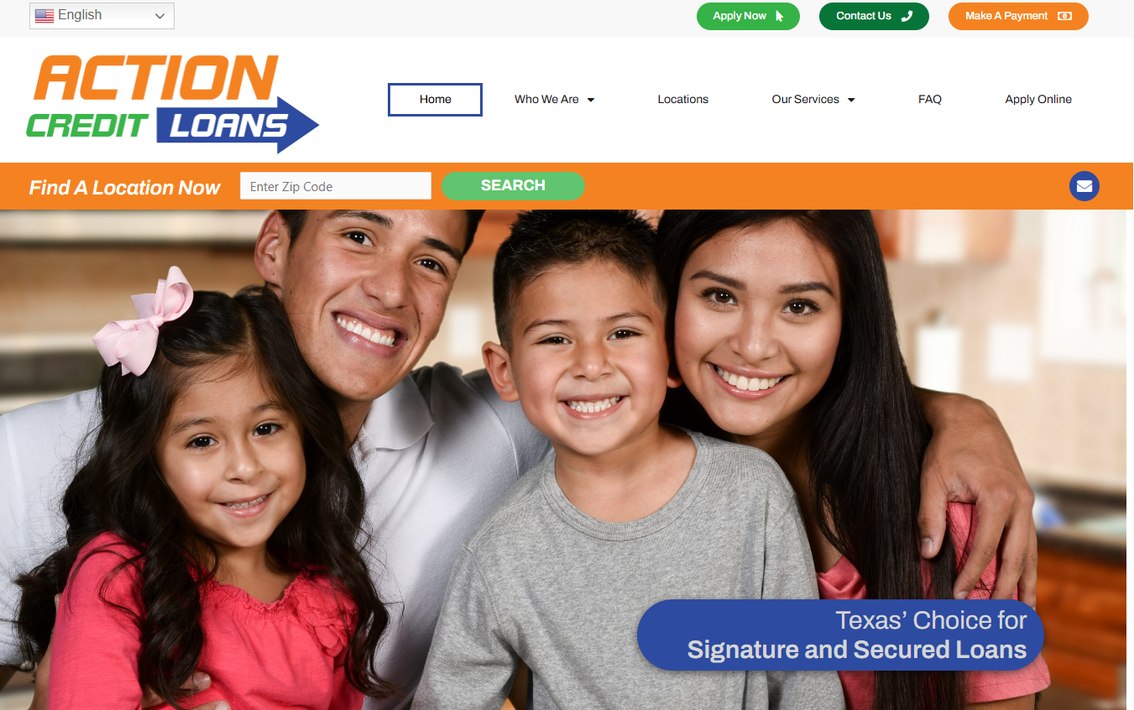
Action Credit is the «emergency responder» of this list. They are not designed for someone looking to buy a $100,000 luxury coach, but they are excellent for smaller, immediate cash needs. They operate primarily in Texas and offer incredibly fast turnaround times. This is the type of service you use when an unexpected mechanical failure leaves you stranded in a remote area and you need funds immediately to get back on the road.
If you need a small amount of cash for repairs or an immediate down payment, their speed is unmatched. They can approve loans in under an hour and provide cash the same day. It is a high-speed, high-utility option for very specific, smaller financial gaps. However, because they prioritize speed and ease of access, the cost of borrowing is significantly higher than a long-term RV loan.
Pros:
- Extremely fast approvals (under 1 hour)
- Same-day cash availability
- Convenient physical locations in Texas
Cons:
- Very low loan limits (up to $1,840)
- Limited geographic availability
Understanding the Total Cost of Borrowing
Many borrowers make the mistake of only looking at the monthly payment. This is a dangerous trap. To truly understand your debt, you must calculate the total cost of the loan over its entire lifespan. For example, a $50,000 loan with a 5% interest rate for 5 years costs significantly less in total interest than a $50,000 loan with a 10% interest rate for 10 years, even if the 10-year monthly payment feels more manageable.
Consider the following comparison of how loan terms impact your wallet:
| Loan Amount | Interest Rate | Term Length | Monthly Payment (Approx) | Total Interest Paid |
|---|---|---|---|---|
| $40,000 | 6% | 5 Years | $773 | $6,380 |
| $40,000 | 8% | 5 Years | $811 | $8,660 |
| $40,000 | 8% | 10 Years | $485 | $18,200 |
As the table demonstrates, extending the term can drastically increase the total amount you pay to the lender. For a nomad, who may have fluctuating monthly income, a longer term offers more breathing room but costs significantly more in the long run. The goal should be to find the shortest term you can comfortably afford.
Preparation Strategies for Subprime Borrowers
If you know your credit isn’t perfect, you shouldn’t walk into a lender meeting unprepared. There are several actionable steps you can take to increase your chances of approval and secure a better rate. These steps require discipline but can save you thousands of dollars over the life of your loan.
First, audit your credit report for errors. Many people have incorrect late payments or accounts that don’t belong to them listed on their reports. Disputing these errors can jump your score by 20-50 points in a single billing cycle. Second, focus on your debt-to-income (DTI) ratio. Before applying for an RV loan, try to pay down high-interest credit card balances. Lenders look at how much of your monthly income is already spoken for; if your DTI is too high, they see you as a high-risk borrower, regardless of your actual income level.
Third, consider the «Cash-to-Collateral» ratio. When buying a vehicle, the vehicle itself acts as collateral. If you are buying a used RV for $30,000 and you can put down $7,000, you are only borrowing $23,000. This lowers the lender’s risk significantly. A lower risk for them means a lower interest rate for you. In the world of nomadic financing, cash is your greatest leverage.
Navigating the Road Ahead
Before signing any paperwork, it is vital to understand the total cost of your loan. A low monthly payment might look attractive on paper, but a longer term can result in you paying double the value of the RV in interest over time. Always ask for the total repayment amount before committing. If the lender cannot or will not provide a clear amortization schedule, consider that a major red flag.
Another common pitfall is neglecting to check for hidden fees. Some lenders may charge origination fees or prepayment penalties that can make exiting a loan much more expensive than anticipated. Prepayment penalties are particularly dangerous if you plan to pay the loan off early using extra cash from side gigs or seasonal work. Read every line of the fine print, even if the salesperson says it is standard procedure.
Finally, consider your down payment. Even with bad credit, putting more cash upfront can significantly lower your interest rate and monthly obligations. It is much easier to convince a lender to take a risk on you if you are already bringing a significant amount of skin to the game. A substantial down payment signals that you have savings, stability, and a genuine commitment to the purchase, making you a far less risky bet in the eyes of the underwriters.